Absorbent Material That Handles Daily Farm Use
Sawdust in Danbury for agricultural bedding, spill control, and moisture management
Stewart's Wood Products produces pine sawdust as a natural byproduct of milling operations in Danbury, providing consistent material for poultry farms, livestock facilities, and industrial absorbent applications. The sawdust comes directly from active lumber processing, which means texture and particle size remain dependable across deliveries. You get a renewable material that absorbs moisture, controls odor, and breaks down naturally when composted or spread.
Pine sawdust works as poultry farm bedding because it pulls moisture away from birds while suppressing ammonia odors that build up in enclosed housing. Industrial facilities use the same material to absorb oil spills, chemical drips, and fluid leaks on shop floors, where the wood fibers soak up liquids without leaving residue.
Arrange a delivery consultation to evaluate volume requirements and confirm trailer access for your property.
How Milling Byproduct Becomes Functional Bedding
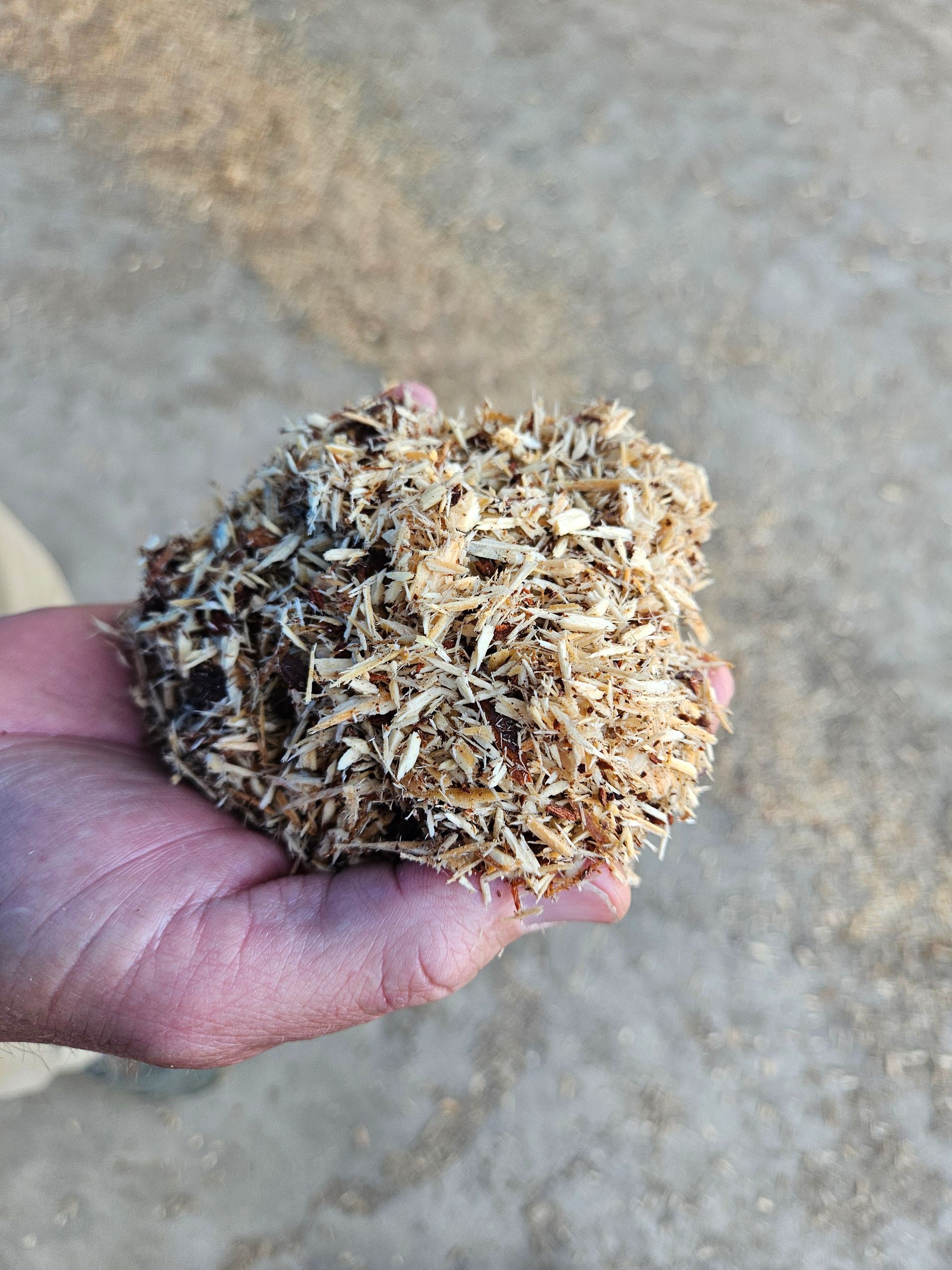
Sawdust arrives as a consistent particle size because it originates from the same pine milling process, where blades cut dimensional lumber and generate fine wood shavings continuously. You receive material that has not been chemically treated or mixed with other wood species, which matters for poultry operations where bird health depends on clean, natural bedding and for organic farms where synthetic additives disqualify materials from use.
Once spread in barns or used as spill absorbent, the sawdust pulls liquid into the wood fibers and forms clumps that isolate moisture from surrounding areas. Poultry farmers notice drier floors between cleanings, fewer ammonia fumes during daily checks, and less caking when the bedding is turned. Industrial users see spills contained within minutes, with saturated sawdust swept up and disposed of without spreading contamination across work areas.
Stewart's Wood Products delivers sawdust in walking floor trailers for large-volume operations or offers bulk pickup for smaller loads directly from the milling facility. Walking floor trailers unload without requiring manual shoveling, which reduces labor time when filling barn storage or industrial hoppers.
Questions About Sawdust Delivery and Use
Farm operators and facility managers in Danbury often ask about particle consistency, delivery logistics, and how the material performs in different absorbent applications before committing to bulk orders.
- What size particles does pine sawdust include? The sawdust consists of fine shavings produced during lumber cutting, which creates a mix of powder and small chips that absorbs liquid quickly without large splinters that could injure livestock or complicate cleanup.
- How does walking floor trailer delivery work for rural properties? The trailer uses a moving floor system that pushes sawdust out the rear without tilting, which allows unloading on level ground and reduces the clearance space needed compared to dump trailers that require overhead room to lift the bed.
- Why does pine sawdust control odor better than other bedding materials? Pine contains natural resins that neutralize ammonia and organic acids produced by animal waste, which keeps barns and coops smelling cleaner between bedding changes compared to straw or paper products that only absorb moisture.
- When should poultry farms replace sawdust bedding completely? Replace bedding when moisture saturation reaches the point where sawdust no longer absorbs new droppings, typically visible as dark, compacted areas that stay damp and emit strong odors even after surface material is turned.
- What makes sawdust effective for industrial spill absorbent compared to clay or sand? Wood fibers trap liquid within the particle structure rather than just coating the surface, which means less material is needed to absorb the same volume of oil or coolant, and saturated sawdust weighs less during disposal than mineral absorbents.
Stewart's Wood Products supplies sawdust directly from milling operations that run year-round, ensuring material availability matches your farm schedule or facility needs. Contact the team to confirm current delivery windows and discuss whether walking floor trailer delivery or bulk pickup fits your site access and storage setup.